Solar Parking Structures: ROI Analysis for UAE Commercial Properties
As UAE mandates clean energy adoption, solar car parking structures offer a compelling return on investment. We break down the numbers for developers and facility managers.
As the UAE tightens clean-energy mandates across free zones and government-linked developments, solar car parking structures have moved from an environmental nice-to-have to a genuine capital investment with a measurable payback period.
The Numbers
A typical 100-bay solar carport installation in Dubai or Abu Dhabi generates enough electricity to offset a significant share of a mid-sized commercial building's daytime cooling load — the single largest driver of UAE electricity bills. Combined with DEWA and ADDC's feed-in and net-metering arrangements, most commercial-scale installations achieve payback within 5–7 years, with the structure itself carrying a 20+ year operational lifespan.
Beyond Energy Savings
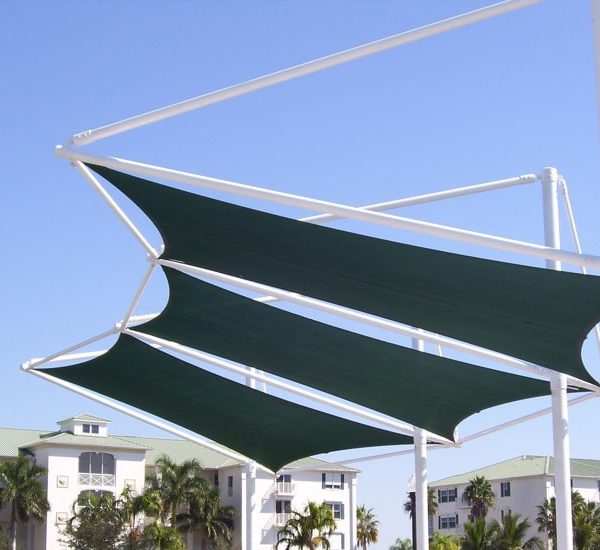
Solar carports also deliver a secondary financial benefit that's easy to overlook: they eliminate the need for a separate shade-structure budget. Vehicles parked under a bare solar array still receive full shade protection from the UAE's summer sun, meaning developers effectively get panel generation and asset-protecting shade from a single capital line item.
EV Charging Integration
We're increasingly seeing solar carports specified with integrated EV charging points from day one, positioning developments ahead of the UAE's accelerating EV adoption curve. Retrofitting charging infrastructure after a carport is built is significantly more expensive than routing conduit during initial construction.
Our Take
For any UAE commercial property with more than 50 parking bays and southern sun exposure, a solar carport should be evaluated as a capital project in its own right — not bundled as an afterthought into a standard shade structure tender. Talk to our engineering team about a site-specific ROI model.