The Complete Guide to Selecting Bollards for UAE Projects
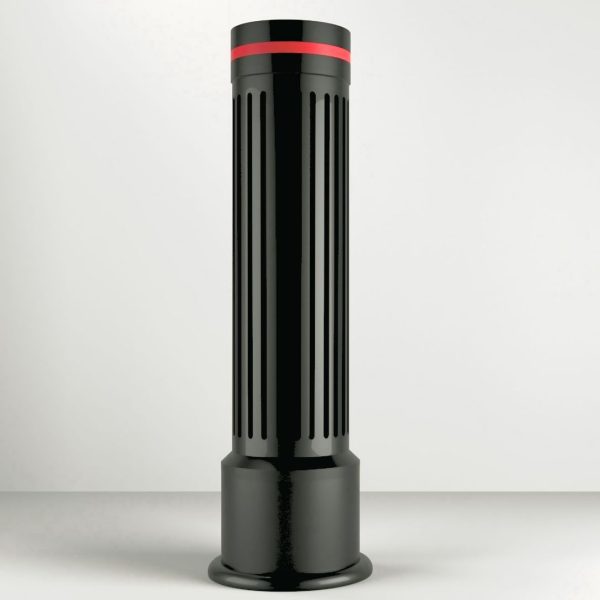
Security, aesthetics, compliance — choosing the right bollard for your UAE project involves multiple factors. Our expert guide covers everything you need to know.
Choosing the right bollard for a UAE project is rarely as simple as picking a diameter and a finish. Security requirements, aesthetic branding, municipality compliance, and long-term maintenance costs all pull in different directions — and getting the balance wrong is expensive to fix after installation.
Security Rating
Government and high-traffic commercial sites typically require crash-rated bollards tested to PAS 68 or IWA 14-1 standards. These ratings specify the vehicle impact speed and mass a bollard must arrest without catastrophic failure. Decorative or "traffic calming" bollards intended purely for pedestrian guidance do not need — and should not be priced as if they need — this level of certification.
Material and Finish
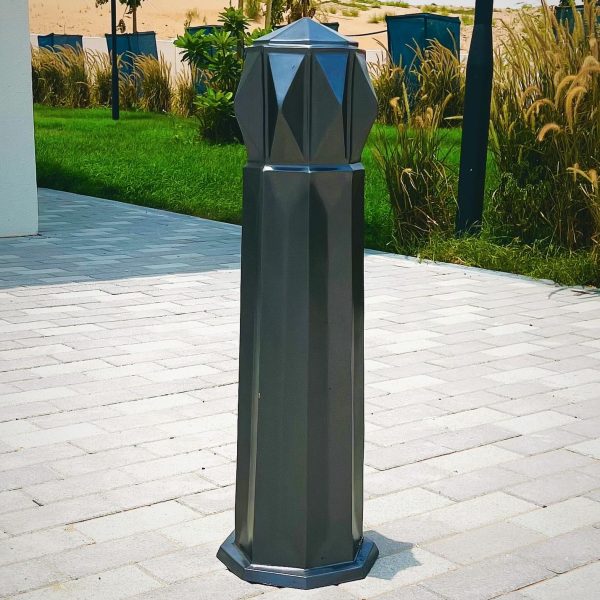
Cast aluminium bollards resist the UAE's coastal salt-air corrosion far better than mild steel, and they take powder-coat finishes cleanly for long-term colour retention under intense UV exposure. Stainless steel remains the preferred choice for high-prestige retail and hospitality frontages where a brushed or mirror finish is part of the brand experience.
Municipality Approval
Each emirate's municipality maintains its own approved-product list and testing documentation requirements. Dubai Municipality and Abu Dhabi Municipality do not automatically recognise each other's approvals, so any UAE-wide rollout should confirm bollard certification is valid in every emirate the project touches before specification is finalised.
Our Recommendation
For most commercial and government frontages, we recommend a certified cast-aluminium bollard with a PAS 68-rated core for perimeter security zones, stepping down to lighter decorative bollards for purely pedestrian-guidance areas. Our engineering team can review your site plan and recommend the right mix at no cost.